
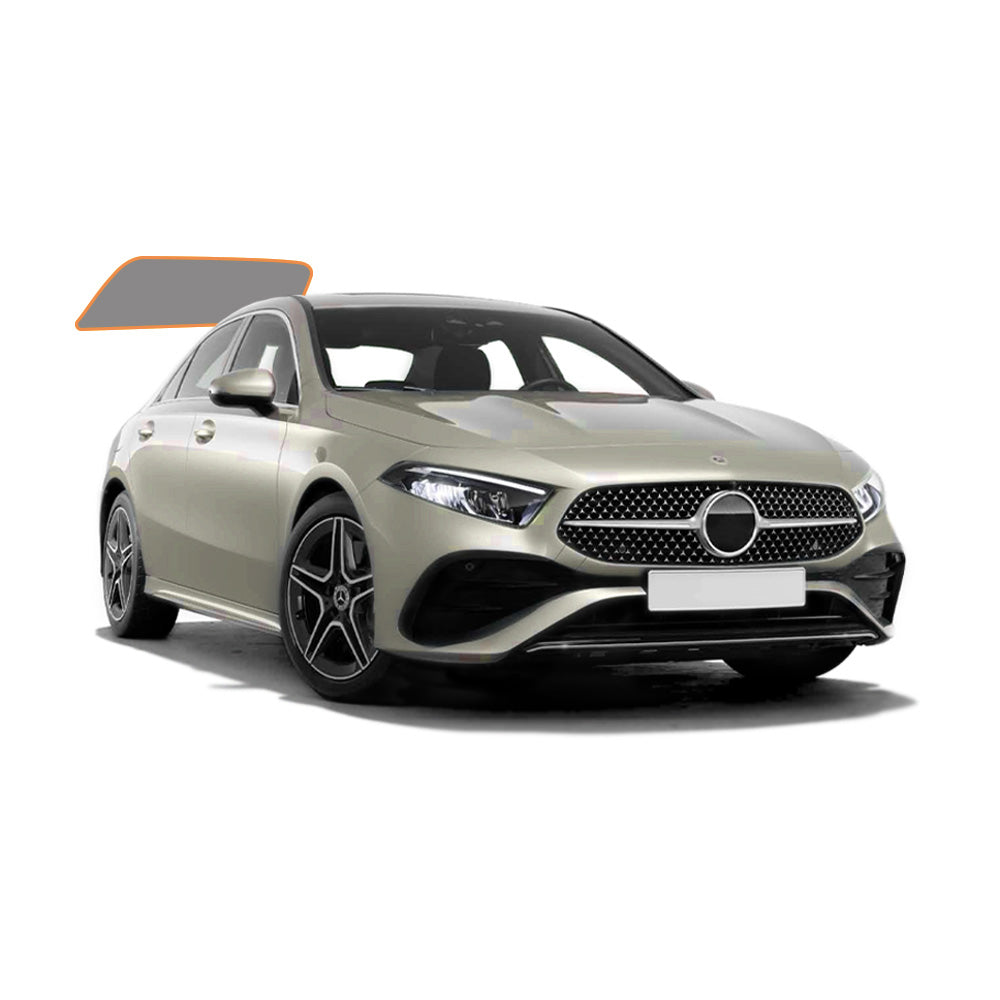
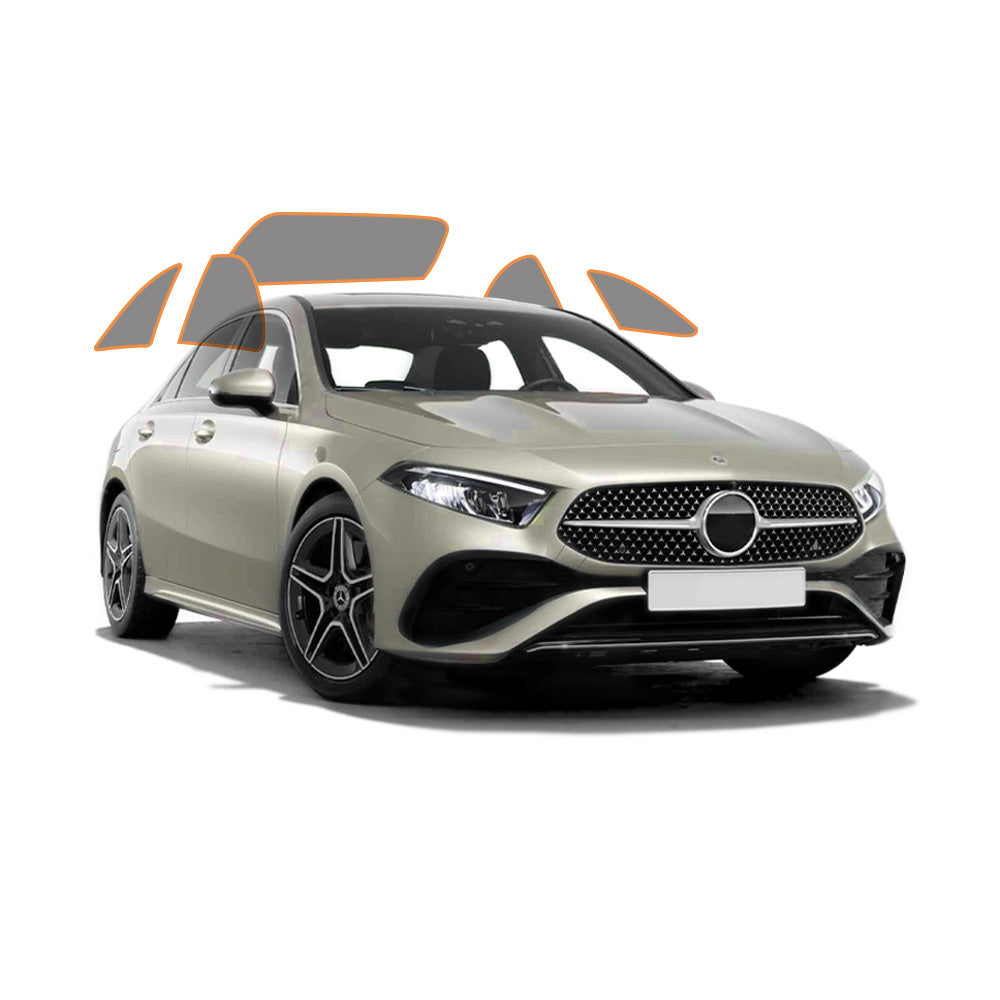
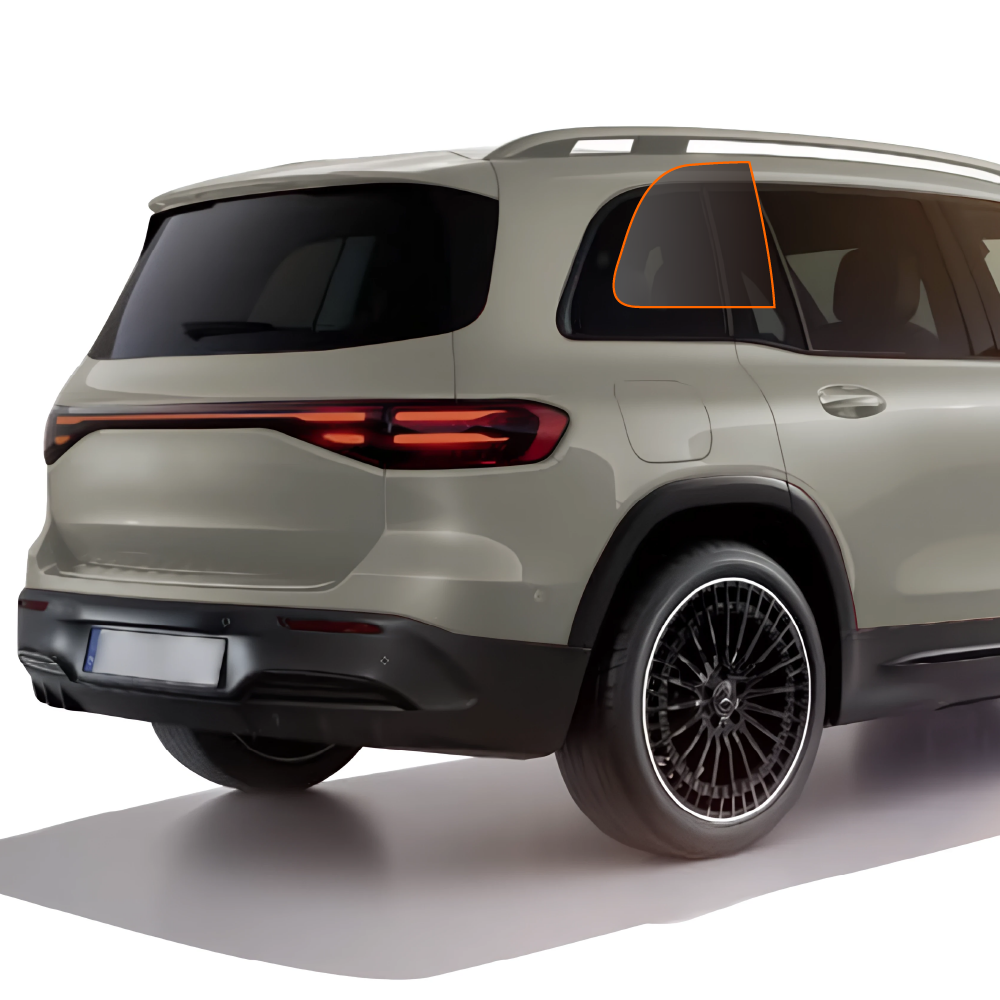
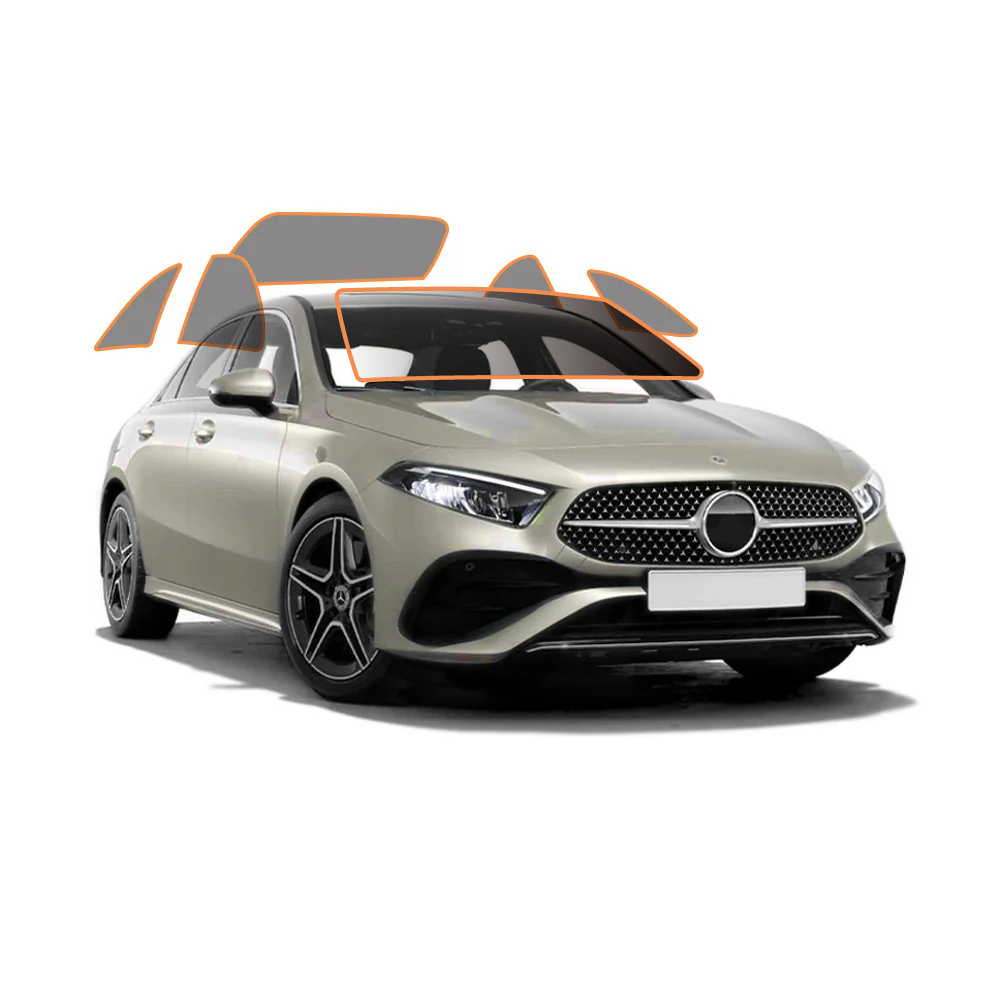

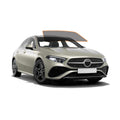
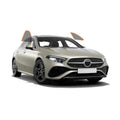
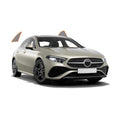
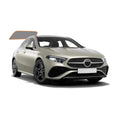
T Series - Heat Reflective Window Film - Excellent Heat Reflection Performance
If you already have window film installed (film removal fee will be charged separately, based on the area of application and included in the price)
T Series - Heat Reflective Window Film - Excellent Heat Reflection Performance
Buyer's Guide: Contains trace metals that quickly reflect heat and have high light transmission, suitable for budget-conscious buyers.
-
Heat-insulating metal film with excellent heat reflection capabilities
-
Stable material that resists fading from sunlight
-
Best value for money
-
Suitable for long-duration driving needs
Note: IE35, T080, T180, T35K, T40K, and T70K in the T series do not contain metal components.

👉Buying Guide: Contains trace metals that quickly reflect heat and transmit light, suitable for 'budget-conscious' buyers
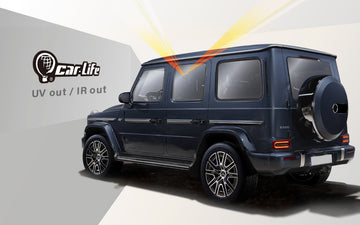
Stable Material, Resistant to Fading from Sunlight
Made of high-quality metal, the material is stable and resistant to fading from sun exposure, allowing it to maintain its original color and appearance for a long time; it also offers a high degree of concealment.
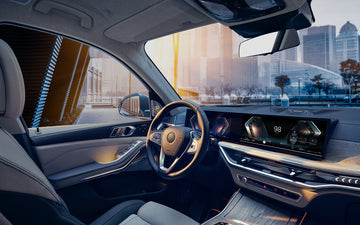
Heat-Insulating Metal Film | Excellent Heat Reflectivity
CarLife T-Series metal films efficiently reflect most heat, blocking UV rays and a greater amount of infrared heat from entering the car. This lowers the interior temperature, providing a cool cabin environment, and is suitable for those who drive for long periods.
CarLife Car Window Film Series
Still not sure how to choose? Click to leave your information and a specialist will contact you.


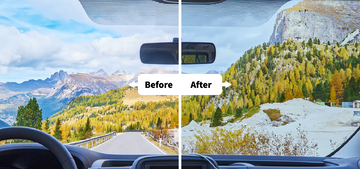
Ceramic Film | Windshield/Side & Rear Window Film
Thermal insulation data
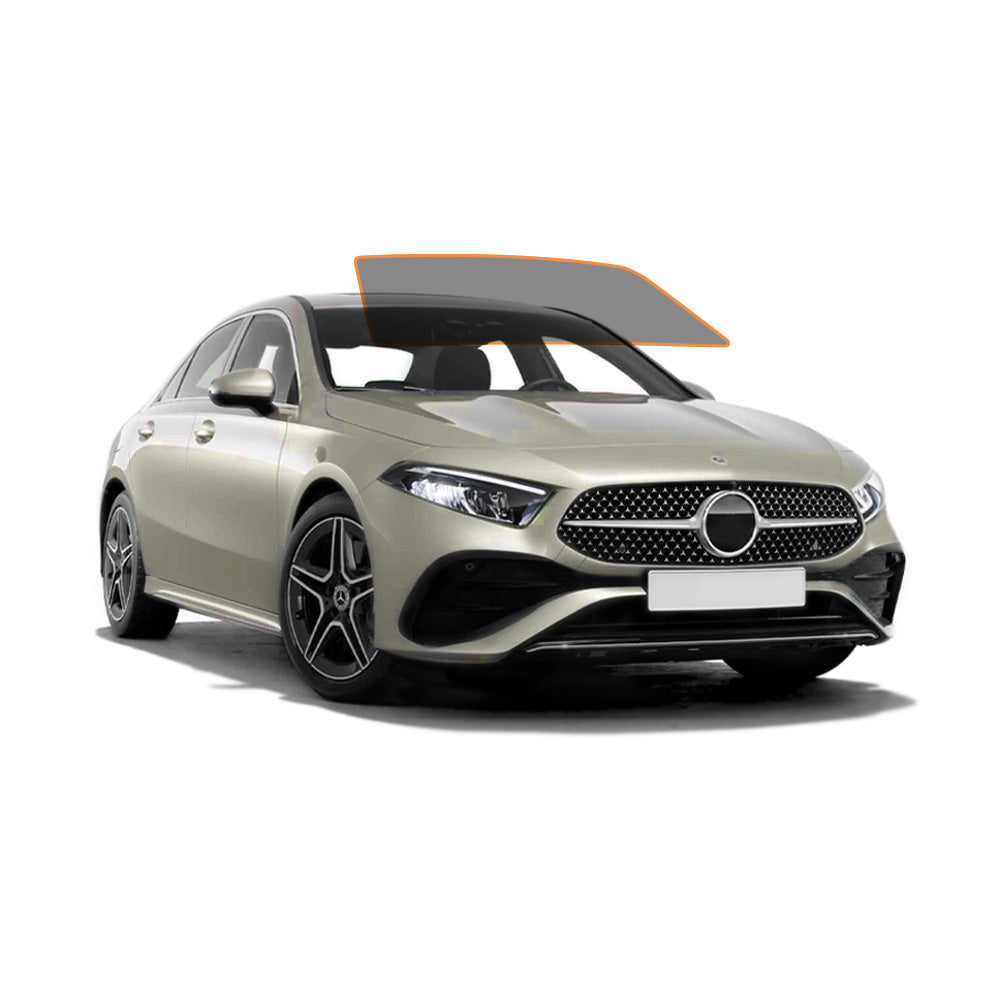
Suitable for front windshield/car body
Visible Light Transmittance: 35%
Infrared Rejection: 85%
UV Rejection: 99%
Total Solar Energy Rejected: 39%
Internal Reflectance: 5%
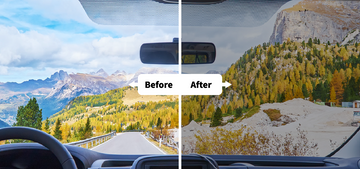
Ceramic Film | Paint Protection Film
Thermal Insulation Data
For Bodywork
Visible Light Transmittance: 8%
Infrared Rejection: 81%
UV Rejection: 99%
Total Solar Energy Rejected: 48%
Internal Reflectance: 2%
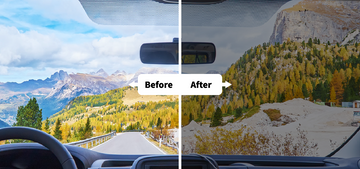
Ceramic Film | Body Film
Thermal insulation data
For Vehicle Body
Visible Light Transmittance: 18%
Infrared Rejection: 70%
UV Rejection: 99%
Total Solar Energy Rejection: 47%
Internal Reflectance: 4%
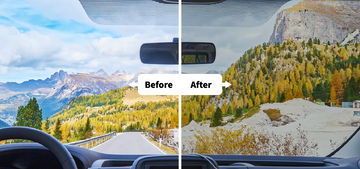
Ceramic Film | Windshield/Body Film
Insulation data
For windshield/car body
Visible Light Transmittance: 35%
Infrared Rejection: 60%
UV Rejection: 99%
Total Solar Energy Rejection: 36%
Internal Reflectance: 6%
Ceramic Film | Car Wrap
Insulation Data
Suitable for Windshield/Body
Visible Light Transmittance: 42%
Infrared Rejection: 55%
UV Rejection: 99%
Total Heat Rejection: 35%
Internal Reflectance: 5.2%
Ceramic Coating | Car Wrap
Thermal Insulation Data
Applicable to windshields/car bodies
Visible Light Transmittance: 76%
Infrared Rejection: 80%
UV Rejection: 99%
Total Heat Rejection: 40%
Internal Reflectance: 5.5%
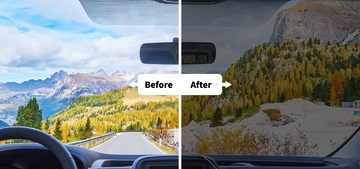
Metal Film | Car Wrap
Thermal insulation data
For Vehicle Body
Visible Light Transmittance: 15%
Infrared Rejection: 77%
UV Rejection: 99%
Total Solar Energy Rejection: 51%
Internal Reflectance: 27%
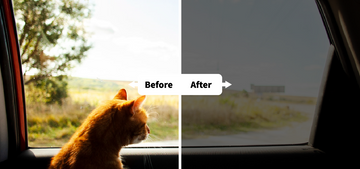
Metallic Film|Windshield/Side & Rear Window Film
Thermal insulation data
For windshields/car bodies
Visible Light Transmittance: 28%
Infrared Rejection: 80%
UV Rejection: 99%
Total Heat Rejection: 49%
Internal Reflectance: 27%
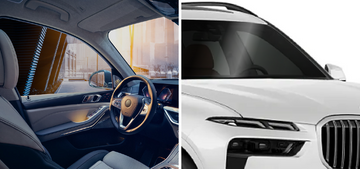
Metallic Film | Car Wrap
Thermal Insulation Data
Suitable for vehicle body
Visible Light Transmittance: 5%
Infrared Rejection: 55%
UV Rejection: 99%
Total Heat Rejection: 41%
Internal Reflectance: 22%
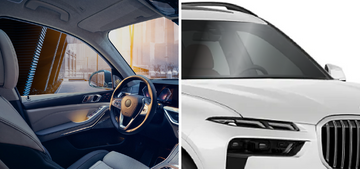
Metallic Tint | Windshield/Body Film
Thermal Insulation Data
For windshield/body
Visible Light Transmittance: 30%
Infrared Rejection: 65%
UV Rejection: 99%
Total Heat Rejection: 40%
Internal Reflectance: 20%
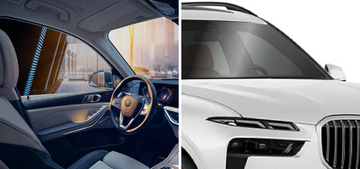
Metallic Film | Car Wrap
Heat Insulation Data
For Vehicle Body
Visible Light Transmittance: 8%
Infrared Rejection: 88%
UV Rejection: 99%
Total Solar Energy Rejection: 59%
Internal Reflectance: 29%
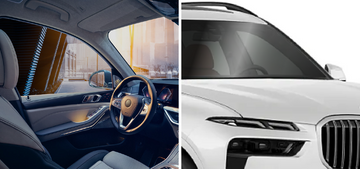
Metal Film | Car Wrap
Insulation data
For Automotive Body
Visible Light Transmittance: 16%
Infrared Rejection: 78%
UV Rejection: 99%
Total Solar Energy Rejection: 51%
Internal Reflectance: 28%
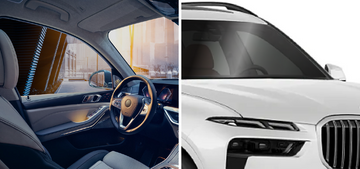
Metallic Film | Car Wrap
Thermal insulation data
Suitable for bodywork
Visible Light Transmittance: 8%
Infrared Rejection: 80%
UV Rejection: 99%
Total Solar Energy Rejection: 47%
Internal Reflectance: 26%
Car Window Tinting: Common Q&A
• Issues such as bubbles immediately after window film installation
► After tinting, it's normal for moisture, bubbles, and a hazy appearance to occur. (7-15 days in summer, 30-45 days in winter) Once the moisture evaporates, the original color will be restored automatically.
• How much does window tinting cost?
► The price of window film is subject to the actual quote from the store. Each store may have irregular promotional offers, so please contact our affiliated window film outlets in various locations.
• Can I apply another layer of window film?
► Hello, it's fine to apply another layer, but it also depends on the condition of the original window film! If the existing film has faded, bubbled, or is in other poor condition, it's recommended to remove it and apply new film. You can consult a window film shop; professional technicians will assist you in making the correct assessment.
Provincial sales and installation locations
Opening hours: 10:00am - 10:00pm
Actual business hours are subject to change by the store.
Carlife Window Tint: Pursuing Excellence and Innovation
Provide the best heat insulation solution for your beloved car
With 35 years of industry experience, Carlife has accumulated extensive technical expertise and market insights. We are dedicated to innovative R&D and providing high-quality services, striving to offer the best solutions for our customers.
We have been a long-term supplier to Europe and the US, holding multiple patents and professional certifications, ensuring stable performance.
Our business scope spans automotive and public transportation components, building materials, and the green energy industry.